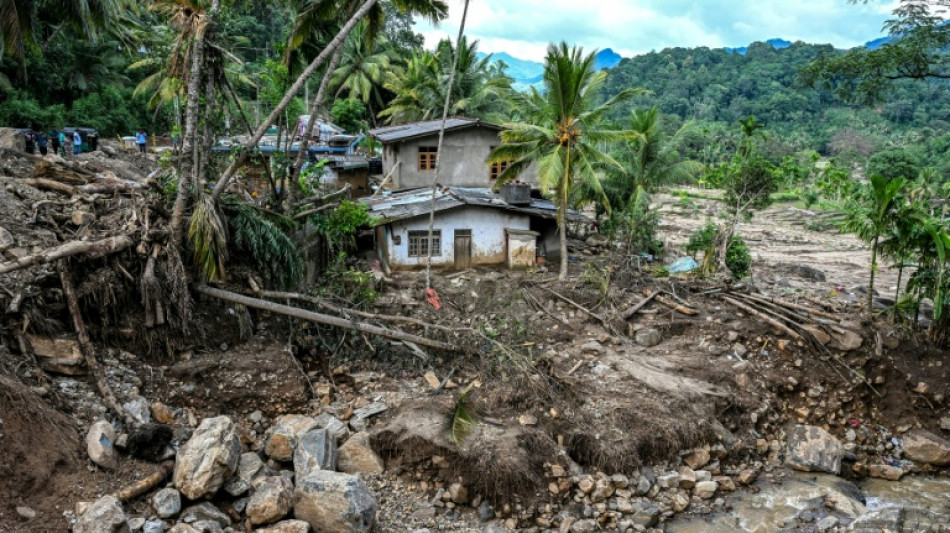
IMF approves $206 mn aid to Sri Lanka after Cyclone Ditwah / Photo: Ishara S. KODIKARA - AFP/File

 London
 10 °C
10 °C

 Manchester
 8 °C
8 °C
 Glasgow
 8 °C
8 °C
 Dublin
 7 °C
7 °C
 Belfast
6 °C
Belfast
6 °C
 Washington
9 °C
Washington
9 °C
 Denver
 18 °C
18 °C
 Atlanta
12 °C
Atlanta
12 °C
 Dallas
19 °C
Dallas
19 °C
 Houston Texas
21 °C
Houston Texas
21 °C
 New Orleans
18 °C
New Orleans
18 °C
 El Paso
24 °C
El Paso
24 °C
 Phoenix
25 °C
Phoenix
25 °C
 Los Angeles
18 °C
San Diego
20 °C
San Francisco
15 °C
Chicago
14 °C
Minneapolis
13 °C
Seattle
11 °C
Portland
14 °C
Salt Lake City
15 °C
Las Vegas
24 °C
Miami
24 °C
Jacksonville
15 °C
San Antonio
18 °C
Bermuda
25 °C
Nassau
11 °C
Iqaluit
-9 °C
Yellowknife
2 °C
Anchorage
-1 °C
Fairbanks
Los Angeles
18 °C
San Diego
20 °C
San Francisco
15 °C
Chicago
14 °C
Minneapolis
13 °C
Seattle
11 °C
Portland
14 °C
Salt Lake City
15 °C
Las Vegas
24 °C
Miami
24 °C
Jacksonville
15 °C
San Antonio
18 °C
Bermuda
25 °C
Nassau
11 °C
Iqaluit
-9 °C
Yellowknife
2 °C
Anchorage
-1 °C
Fairbanks
 -4 °C
Barrow
-9 °C
Calgary
7 °C
Edmonton
8 °C
Winnipeg
5 °C
Goose Bay
8 °C
Halifax
11 °C
Boston
9 °C
Ottawa
4 °C
Toronto
9 °C
Detroit
7 °C
Cleveland
5 °C
New York
12 °C
Baltimore
10 °C
Philadelphia
10 °C
Nuuk (Godthåb)
-6 °C
Hong Kong
-4 °C
Barrow
-9 °C
Calgary
7 °C
Edmonton
8 °C
Winnipeg
5 °C
Goose Bay
8 °C
Halifax
11 °C
Boston
9 °C
Ottawa
4 °C
Toronto
9 °C
Detroit
7 °C
Cleveland
5 °C
New York
12 °C
Baltimore
10 °C
Philadelphia
10 °C
Nuuk (Godthåb)
-6 °C
Hong Kong
 29 °C
Singapore
31 °C
Melbourne
22 °C
Canberra
21 °C
Adelaide
32 °C
Darwin
29 °C
Singapore
31 °C
Melbourne
22 °C
Canberra
21 °C
Adelaide
32 °C
Darwin
 33 °C
Perth
20 °C
Fort Worth
19 °C
Honolulu
25 °C
Sydney
21 °C
Johannesburg
33 °C
Perth
20 °C
Fort Worth
19 °C
Honolulu
25 °C
Sydney
21 °C
Johannesburg
 18 °C
Dubai
32 °C
Mumbai
18 °C
Dubai
32 °C
Mumbai
 34 °C
Zürich
6 °C
Tokyo
23 °C
Seoul
14 °C
Delhi
28 °C
Beijing
17 °C
Riyadh
28 °C
Prague
9 °C
Pennsylvania
7 °C
Valletta
19 °C
Manama
32 °C
Warsaw
13 °C
Stockholm
12 °C
34 °C
Zürich
6 °C
Tokyo
23 °C
Seoul
14 °C
Delhi
28 °C
Beijing
17 °C
Riyadh
28 °C
Prague
9 °C
Pennsylvania
7 °C
Valletta
19 °C
Manama
32 °C
Warsaw
13 °C
Stockholm
12 °C
The International Monetary Fund said Friday that its board has approved $206 million in emergency financing for Sri Lanka, to help in the country's recovery from the devastating Cyclone Ditwah.
The natural disaster killed more than 640 people, and affected more than 10 percent of Sri Lanka's population. Floods and landslides caused by the cyclone left extensive damage throughout the South Asian island nation.
"The disaster has created urgent humanitarian and reconstruction needs, generating significant fiscal pressures and balance-of-payments needs," IMF deputy managing director Kenji Okamura said in a statement.
The IMF's emergency aid -- which comes under the Washington-based lender's rapid financing instrument -- is meant to help address these pressures, he added.
The announcement comes a day after Sri Lanka's government unveiled plans for $1.6 billion in additional spending next year to fund cyclone recovery.
While it is still early for a firm assessment, the fund's mission chief for Sri Lanka, Evan Papageorgiou, flagged a likely hit to economic activity in the short-term.
"Agriculture and tourism are key sectors in Sri Lanka's growth and are being hit the hardest," he told reporters in a briefing.
"Inflation is likely to rise due to supply disruptions, and the current account deficit will likely widen over the next year," he added.
The government had also secured a World Bank agreement to repurpose $120 million from an ongoing project for disaster recovery spending.
Separately, it got a $200 million loan from the Asian Development Bank to finance water management, the first such funding since the cyclone.
The IMF said Friday that Sri Lankan authorities are still committed to their economic reform program aided by support of around $3 billion.
A further tranche of this rescue package known as the Extended Fund Facility was coming up when the cyclone hit.
The IMF said it has deferred the fifth review of the package, with a team set to visit Sri Lanka in early 2026 to resume discussions.
It noted this deferment took place due to the time needed to assess the cyclone's economic impact and examine how an IMF-supported program can best support Sri Lanka's recovery and reconstruction efforts -- while preserving policy priorities.
C.Valero--HdM