UN maritime agency rejects Hormuz tolls / Photo: Meysam MIRZADEH - TASNIM NEWS/AFP

 London
 17 °C
17 °C

 Manchester
16 °C
Manchester
16 °C
 Glasgow
11 °C
Glasgow
11 °C
 Dublin
17 °C
Dublin
17 °C
 Belfast
17 °C
Belfast
17 °C
 Washington
18 °C
Washington
18 °C
 Denver
 24 °C
24 °C
 Atlanta
 24 °C
24 °C
 Dallas
24 °C
Dallas
24 °C
 Houston Texas
25 °C
Houston Texas
25 °C
 New Orleans
26 °C
New Orleans
26 °C
 El Paso
 22 °C
22 °C
 Phoenix
35 °C
Phoenix
35 °C
 Los Angeles
37 °C
San Diego
38 °C
San Francisco
Los Angeles
37 °C
San Diego
38 °C
San Francisco
 27 °C
Chicago
23 °C
Minneapolis
19 °C
Seattle
18 °C
Portland
22 °C
Salt Lake City
28 °C
Las Vegas
33 °C
Miami
32 °C
Jacksonville
31 °C
San Antonio
26 °C
Bermuda
28 °C
Nassau
15 °C
Iqaluit
2 °C
Yellowknife
6 °C
Anchorage
4 °C
Fairbanks
1 °C
Barrow
-8 °C
Calgary
15 °C
Edmonton
25 °C
Winnipeg
16 °C
Goose Bay
20 °C
Halifax
17 °C
Boston
17 °C
Ottawa
17 °C
Toronto
19 °C
Detroit
23 °C
Cleveland
21 °C
New York
15 °C
Baltimore
17 °C
Philadelphia
16 °C
Nuuk (Godthåb)
4 °C
Hong Kong
27 °C
Singapore
28 °C
Melbourne
31 °C
Canberra
27 °C
Chicago
23 °C
Minneapolis
19 °C
Seattle
18 °C
Portland
22 °C
Salt Lake City
28 °C
Las Vegas
33 °C
Miami
32 °C
Jacksonville
31 °C
San Antonio
26 °C
Bermuda
28 °C
Nassau
15 °C
Iqaluit
2 °C
Yellowknife
6 °C
Anchorage
4 °C
Fairbanks
1 °C
Barrow
-8 °C
Calgary
15 °C
Edmonton
25 °C
Winnipeg
16 °C
Goose Bay
20 °C
Halifax
17 °C
Boston
17 °C
Ottawa
17 °C
Toronto
19 °C
Detroit
23 °C
Cleveland
21 °C
New York
15 °C
Baltimore
17 °C
Philadelphia
16 °C
Nuuk (Godthåb)
4 °C
Hong Kong
27 °C
Singapore
28 °C
Melbourne
31 °C
Canberra
 9 °C
Adelaide
13 °C
Darwin
25 °C
Perth
14 °C
Fort Worth
22 °C
Honolulu
27 °C
Sydney
15 °C
Johannesburg
14 °C
Dubai
9 °C
Adelaide
13 °C
Darwin
25 °C
Perth
14 °C
Fort Worth
22 °C
Honolulu
27 °C
Sydney
15 °C
Johannesburg
14 °C
Dubai
 33 °C
Mumbai
30 °C
Zürich
19 °C
Tokyo
18 °C
Seoul
15 °C
Delhi
27 °C
Beijing
12 °C
Riyadh
33 °C
Prague
15 °C
Pennsylvania
16 °C
Valletta
23 °C
Manama
33 °C
Warsaw
12 °C
Stockholm
12 °C
33 °C
Mumbai
30 °C
Zürich
19 °C
Tokyo
18 °C
Seoul
15 °C
Delhi
27 °C
Beijing
12 °C
Riyadh
33 °C
Prague
15 °C
Pennsylvania
16 °C
Valletta
23 °C
Manama
33 °C
Warsaw
12 °C
Stockholm
12 °C
The head of the UN's maritime agency said Monday there was "no legal basis" for imposing any fees for ships to pass through the Strait of Hormuz.
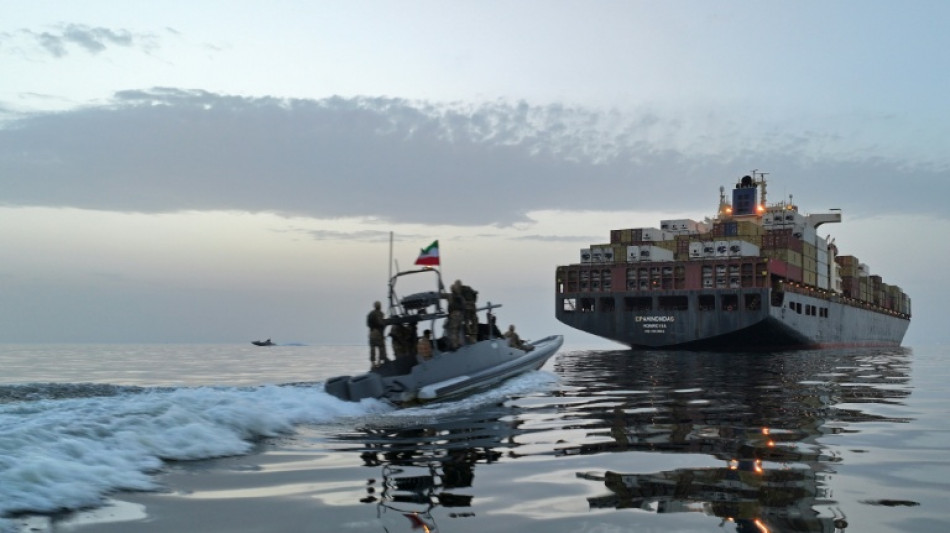
Shipping through the narrow strait has been strangled since the US and Israel attacked Iran in late February.
Iran has sealed off the passage, sharply cutting oil and gas flows and sending prices soaring, while the US has blockaded Iranian ports. Tehran has also said it wants to impose transit fees as part of any lasting peace deal.
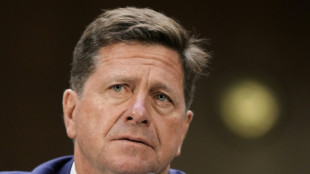
"There's no legal basis for the introduction of any tax, any customs, or any fees for on straits for international navigation," IMO Secretary-General Arsenio Dominguez said at a press conference.
Iran's armed forces would have authority over the key shipping lane under the country's proposed law for managing the waterway, a top official said Monday.
Ebrahim Azizi, head of the national security commission in Iran's parliament, told state TV the armed forces were already in control of the strait and were seeking to prohibit the passage of "hostile vessels".
The bill also provides that financial gains from the strait would be paid in Iran's rial currency.
Speaking on the sidelines of an IMO maritime protection committee meeting, Dominguez said he was in contact with "all the countries of the region", including Iran.
He firmly rejected the idea that reopening the waterway could involve payment of any fees.
Dominguez also said a planned evacuation operation for around 20,000 seafarers currently stranded on vessels in the Gulf could only go ahead once the strait was fully secure.
The shipping lane remains a key sticking point in negotiations between Washington and Tehran, even as a fragile April 8 ceasefire continues to hold.
Meanwhile, talks among IMO members this week are focused on a different issue: efforts to revive negotiations on an ambitious plan to decarbonise the global shipping industry.
That measure was due to be adopted last October, but the United States -- backed by Saudi Arabia, Russia, and other oil-producing countries -- blocked the agreement, delaying it by a year.
I.Soto--HdM