Iran minister heads to Russia as talks remain stalled / Photo: - - Iran's Foreign Ministry/AFP

 London
 24 °C
24 °C

 Manchester
 21 °C
21 °C
 Glasgow
23 °C
Glasgow
23 °C
 Dublin
 19 °C
19 °C
 Belfast
 18 °C
18 °C
 Washington
 23 °C
23 °C
 Denver
14 °C
Denver
14 °C
 Atlanta
19 °C
Atlanta
19 °C
 Dallas
28 °C
Dallas
28 °C
 Houston Texas
30 °C
Houston Texas
30 °C
 New Orleans
29 °C
New Orleans
29 °C
 El Paso
18 °C
El Paso
18 °C
 Phoenix
21 °C
Phoenix
21 °C
 Los Angeles
20 °C
San Diego
20 °C
San Francisco
15 °C
Chicago
17 °C
Minneapolis
18 °C
Seattle
10 °C
Portland
15 °C
Salt Lake City
15 °C
Las Vegas
22 °C
Miami
28 °C
Jacksonville
28 °C
San Antonio
27 °C
Bermuda
28 °C
Nassau
19 °C
Iqaluit
4 °C
Yellowknife
1 °C
Anchorage
3 °C
Fairbanks
0 °C
Barrow
Los Angeles
20 °C
San Diego
20 °C
San Francisco
15 °C
Chicago
17 °C
Minneapolis
18 °C
Seattle
10 °C
Portland
15 °C
Salt Lake City
15 °C
Las Vegas
22 °C
Miami
28 °C
Jacksonville
28 °C
San Antonio
27 °C
Bermuda
28 °C
Nassau
19 °C
Iqaluit
4 °C
Yellowknife
1 °C
Anchorage
3 °C
Fairbanks
0 °C
Barrow
 -2 °C
Calgary
5 °C
Edmonton
23 °C
Winnipeg
12 °C
Goose Bay
16 °C
Halifax
17 °C
Boston
17 °C
Ottawa
13 °C
Toronto
18 °C
Detroit
19 °C
Cleveland
19 °C
New York
20 °C
Baltimore
23 °C
Philadelphia
20 °C
Nuuk (Godthåb)
1 °C
Hong Kong
-2 °C
Calgary
5 °C
Edmonton
23 °C
Winnipeg
12 °C
Goose Bay
16 °C
Halifax
17 °C
Boston
17 °C
Ottawa
13 °C
Toronto
18 °C
Detroit
19 °C
Cleveland
19 °C
New York
20 °C
Baltimore
23 °C
Philadelphia
20 °C
Nuuk (Godthåb)
1 °C
Hong Kong
 30 °C
Singapore
27 °C
Melbourne
27 °C
Canberra
10 °C
Adelaide
18 °C
Darwin
27 °C
Perth
14 °C
Fort Worth
27 °C
Honolulu
30 °C
Singapore
27 °C
Melbourne
27 °C
Canberra
10 °C
Adelaide
18 °C
Darwin
27 °C
Perth
14 °C
Fort Worth
27 °C
Honolulu
 25 °C
Sydney
17 °C
Johannesburg
11 °C
Dubai
25 °C
Sydney
17 °C
Johannesburg
11 °C
Dubai
 34 °C
Mumbai
34 °C
Mumbai
 27 °C
Zürich
28 °C
Tokyo
18 °C
Seoul
19 °C
Delhi
29 °C
Beijing
17 °C
Riyadh
38 °C
Prague
24 °C
Pennsylvania
21 °C
Valletta
26 °C
Manama
35 °C
Warsaw
20 °C
Stockholm
15 °C
27 °C
Zürich
28 °C
Tokyo
18 °C
Seoul
19 °C
Delhi
29 °C
Beijing
17 °C
Riyadh
38 °C
Prague
24 °C
Pennsylvania
21 °C
Valletta
26 °C
Manama
35 °C
Warsaw
20 °C
Stockholm
15 °C
Iran's foreign minister headed to Moscow on Sunday as peace efforts between Tehran and Washington hung in the balance, following a flurry of regional diplomacy and the collapse of planned talks in Pakistan.
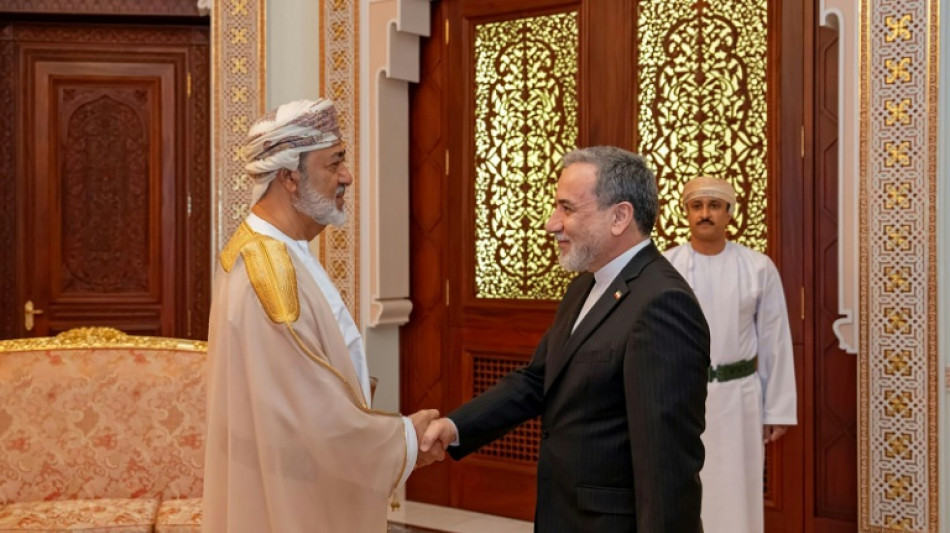
Abbas Araghchi visited Oman between trips to Pakistani capital Islamabad and is expected in Russia on Monday to meet President Vladimir Putin, according to the Iranian ambassador.
On Saturday, US President Donald Trump scrapped a planned trip to Islamabad by his envoys Steve Witkoff and Jared Kushner.
In a sign that efforts were ongoing, the Fars news agency said Iran had sent "written messages" to the Americans via mediator Pakistan outlining red lines, including nuclear issues and the Strait of Hormuz.
Fars said the messages were not part of formal negotiations, however.
A ceasefire in the US-Israeli war with Iran has so far held, but its economic shockwaves continue to reverberate globally.
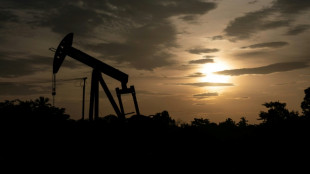
Iran has sealed off the strait, cutting flows of oil, gas and fertiliser and sending prices soaring, raising fears of food insecurity in developing countries.
Hopes for talks had centred on a planned visit by Witkoff and Kushner, but Trump cancelled the trip, dismissing it as "sitting around talking about nothing".
On Sunday, Trump told Fox News that if Iran wanted the talks, "they can come to us, or they can call us, you know there is a telephone, we have nice secure lines."
Trump faces domestic pressure as fuel prices rise following Iran's closure of Hormuz, with midterm elections due in November. Polls show the war is unpopular among Americans.
- Scepticism over diplomacy -
Asked whether cancelling signalled renewed fighting, Trump said: "No, it doesn't mean that."
On Saturday, Araghchi met Pakistan's military chief Asim Munir, Prime Minister Shehbaz Sharif and Foreign Minister Ishaq Dar, before trevelling to Oman and returning to Islamabad.
He later left for Russia for talks with senior officials, his ministry said. Russia confirmed the visit but did not say whether he would meet Putin.
Amid the flurry of meetings, Araghchi said he had "yet to see if the US is truly serious about diplomacy".
Pressure to end the war has intensified as the Strait of Hormuz remains closed. Iran's Revolutionary Guards said they had no intention of lifting their blockade, which has roiled energy markets.
"Controlling the Strait of Hormuz and maintaining the shadow of its deterrent effects over America and the White House's supporters in the region is the definitive strategy of Islamic Iran," the Guards said on their official Telegram channel.
The United States has imposed a blockade of Iranian ports in retaliation.
In a statement carried by state media, Iran's military warned that continued US "blockading, banditry and piracy" would draw a response.
- Israel strikes Lebanon -
Israel and Hezbollah traded blame over violations of the fragile ceasefire in Lebanon, with Prime Minister Benjamin Netanyahu saying the military was "vigorously" targeting the Iran-backed militia as both sides claimed new attacks.
Hezbollah drew Lebanon into the Middle East war on March 2 by firing rockets at Israel to avenge the death of Iran's supreme leader Ali Khamenei, with Israel responding with strikes and a ground invasion.
But claims that both sides have breached a 10-day ceasefire agreed earlier this month have continued.
Netanyahu told Sunday's weekly cabinet meeting that Hezbollah's actions were "dismantling the ceasefire" while Hezbollah said it would respond to Israeli violations and its "continued occupation".
Lebanon's health ministry said Israeli strikes on the country's south on Sunday killed 14 people, including two women and two children, and wounded 37.
The state-run National News Agency reported that Israeli warplanes struck after evacuation warnings in Kfar Tibnit.
An Israeli strike on Zawtar al-Sharqiyah, another of the flagged villages, destroyed a mosque and another religious building, the news agency said.
Israel, which reported a soldier killed in combat in south Lebanon, says it can act against "planned, imminent or ongoing attacks".
"This means freedom of action not only to respond to attacks...but also to pre-empt immediate threats and even emerging threats," Netanyahu said.
burs-ft/dw
T.Carrillo--HdM