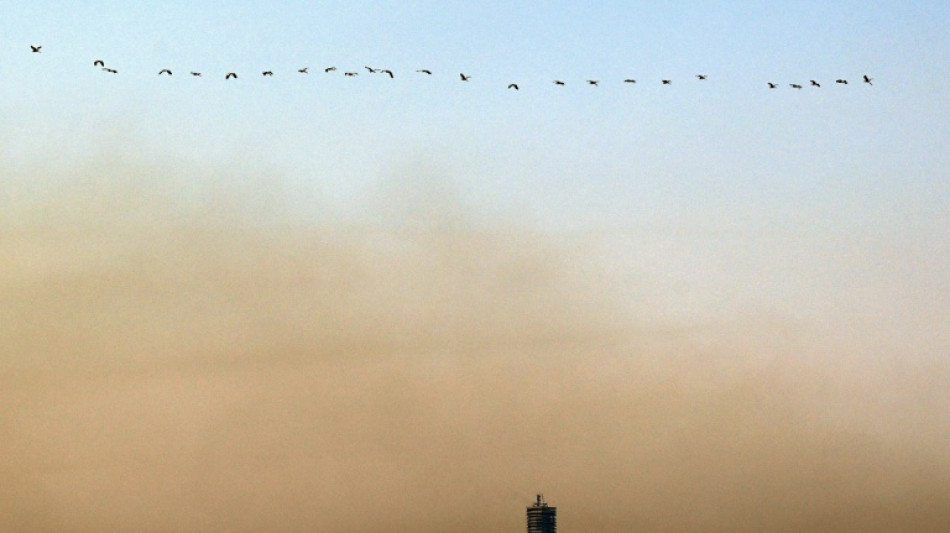
World Bank drops climate finance targets in renewed action plan / Photo: Joseph EID - AFP

 London
 18 °C
18 °C

 Manchester
 15 °C
15 °C
 Glasgow
 18 °C
18 °C
 Dublin
 15 °C
15 °C
 Belfast
14 °C
Belfast
14 °C
 Washington
16 °C
Washington
16 °C
 Denver
14 °C
Denver
14 °C
 Atlanta
 23 °C
23 °C
 Dallas
28 °C
Dallas
28 °C
 Houston Texas
27 °C
Houston Texas
27 °C
 New Orleans
 28 °C
28 °C
 El Paso
19 °C
El Paso
19 °C
 Phoenix
30 °C
Phoenix
30 °C
 Los Angeles
21 °C
San Diego
Los Angeles
21 °C
San Diego
 21 °C
San Francisco
15 °C
Chicago
20 °C
Minneapolis
11 °C
Seattle
12 °C
Portland
13 °C
Salt Lake City
19 °C
Las Vegas
28 °C
Miami
27 °C
Jacksonville
26 °C
San Antonio
26 °C
Bermuda
25 °C
Nassau
17 °C
Iqaluit
0 °C
Yellowknife
1 °C
Anchorage
11 °C
Fairbanks
21 °C
San Francisco
15 °C
Chicago
20 °C
Minneapolis
11 °C
Seattle
12 °C
Portland
13 °C
Salt Lake City
19 °C
Las Vegas
28 °C
Miami
27 °C
Jacksonville
26 °C
San Antonio
26 °C
Bermuda
25 °C
Nassau
17 °C
Iqaluit
0 °C
Yellowknife
1 °C
Anchorage
11 °C
Fairbanks
 9 °C
Barrow
-1 °C
Calgary
4 °C
Edmonton
24 °C
Winnipeg
6 °C
Goose Bay
17 °C
Halifax
10 °C
Boston
12 °C
Ottawa
17 °C
Toronto
17 °C
Detroit
21 °C
Cleveland
22 °C
New York
17 °C
Baltimore
16 °C
Philadelphia
14 °C
Nuuk (Godthåb)
5 °C
Hong Kong
30 °C
Singapore
32 °C
Melbourne
26 °C
Canberra
7 °C
Adelaide
11 °C
Darwin
28 °C
Perth
25 °C
Fort Worth
27 °C
Honolulu
26 °C
Sydney
14 °C
Johannesburg
9 °C
Barrow
-1 °C
Calgary
4 °C
Edmonton
24 °C
Winnipeg
6 °C
Goose Bay
17 °C
Halifax
10 °C
Boston
12 °C
Ottawa
17 °C
Toronto
17 °C
Detroit
21 °C
Cleveland
22 °C
New York
17 °C
Baltimore
16 °C
Philadelphia
14 °C
Nuuk (Godthåb)
5 °C
Hong Kong
30 °C
Singapore
32 °C
Melbourne
26 °C
Canberra
7 °C
Adelaide
11 °C
Darwin
28 °C
Perth
25 °C
Fort Worth
27 °C
Honolulu
26 °C
Sydney
14 °C
Johannesburg
 25 °C
Dubai
40 °C
Mumbai
30 °C
Zürich
22 °C
Tokyo
20 °C
Seoul
23 °C
Delhi
36 °C
Beijing
27 °C
Riyadh
40 °C
Prague
23 °C
Pennsylvania
14 °C
Valletta
27 °C
Manama
38 °C
Warsaw
22 °C
Stockholm
16 °C
25 °C
Dubai
40 °C
Mumbai
30 °C
Zürich
22 °C
Tokyo
20 °C
Seoul
23 °C
Delhi
36 °C
Beijing
27 °C
Riyadh
40 °C
Prague
23 °C
Pennsylvania
14 °C
Valletta
27 °C
Manama
38 °C
Warsaw
22 °C
Stockholm
16 °C
The World Bank on Monday extended its climate change policy framework indefinitely, but dropped its targets for the percentage of financing that must have climate-related impacts, according to a statement.
"We will complete our shift from inputs to outcomes to maximize development impact," said a World Bank Group statement.
"We will retire the 45-percent climate co-benefits target and the 35-percent target in the (Climate Change Action Plan)," it said.
The United States, the World Bank's largest shareholder, has abruptly changed policy on climate change under President Donald Trump, who has called it a "hoax" and ramped up spending on fossil fuels.
In April, US Treasury Secretary Scott Bessent called for the Bank to drop its climate finance targets, saying it "breeds inefficiency, distorts economic decision making, and moves the Bank away from its core mission."
The World Bank statement said that further work on climate change outcomes would be driven by demand from client countries.
The Bank's yearly climate financing targets under its Climate Change Action Plans (CCAPs) have largely been reached since work on the area began in 2016.
In 2025, 48 percent of the World Bank Group's financing had "climate co-benefits," amounting to roughly $50.8 billion, according to official data.
The Intergovernmental Panel on Climate Change (IPCC) says that climate change is indisputably attributable to human activity, and in particular to the burning of fossil fuels (gas, oil, coal), especially since the end of the 19th century.
Under Trump, however, there has been a widespread official rejection of climate change as a manmade phenomenon, with the administration embracing high-polluting fossil fuels and shelving renewable energy projects.
Since taking office for his second term, Trump has also exerted pressure on global institutions and other countries to lessen their focus on climate change.
One of the main causes of global warming is the enhanced greenhouse effect, caused by greenhouse gases (GHGs) that persist in the atmosphere.
The World Bank will continue to report on net greenhouse gas emissions and on the percentage of its projects that have a climate-change impact, the statement said.
The World Bank's work is primarily focused on developing countries, which are least responsible for global warming.
Climate-financing for these countries include loans for renewable energy projects, technical advice on dealing with impacts of climate change and projects that build resilience in areas prone to natural disasters.
U.Miranda--HdM