US Fed expected to keep rates steady as Iran war impact looms / Photo: SAUL LOEB - AFP

 London
 17 °C
17 °C
 Manchester
 11 °C
11 °C
 Glasgow
 14 °C
14 °C
 Dublin
 11 °C
11 °C
 Belfast
 10 °C
10 °C
 Washington
 17 °C
17 °C
 Denver
 12 °C
12 °C
 Atlanta
 31 °C
31 °C
 Dallas
32 °C
Dallas
32 °C
 Houston Texas
 32 °C
32 °C
 New Orleans
30 °C
New Orleans
30 °C
 El Paso
25 °C
El Paso
25 °C
 Phoenix
30 °C
Phoenix
30 °C
 Los Angeles
32 °C
San Diego
31 °C
San Francisco
27 °C
Chicago
18 °C
Minneapolis
9 °C
Seattle
18 °C
Portland
26 °C
Salt Lake City
17 °C
Las Vegas
26 °C
Miami
31 °C
Jacksonville
29 °C
San Antonio
32 °C
Bermuda
27 °C
Nassau
18 °C
Iqaluit
-2 °C
Yellowknife
7 °C
Anchorage
7 °C
Fairbanks
4 °C
Barrow
-9 °C
Calgary
11 °C
Edmonton
29 °C
Winnipeg
9 °C
Goose Bay
12 °C
Halifax
15 °C
Boston
16 °C
Ottawa
12 °C
Toronto
10 °C
Detroit
16 °C
Cleveland
19 °C
New York
18 °C
Baltimore
18 °C
Philadelphia
20 °C
Nuuk (Godthåb)
1 °C
Hong Kong
26 °C
Singapore
27 °C
Melbourne
29 °C
Canberra
9 °C
Adelaide
15 °C
Darwin
27 °C
Perth
12 °C
Fort Worth
31 °C
Honolulu
29 °C
Sydney
14 °C
Johannesburg
22 °C
Dubai
32 °C
Mumbai
31 °C
Zürich
13 °C
Tokyo
18 °C
Seoul
15 °C
Delhi
21 °C
Beijing
11 °C
Riyadh
30 °C
Prague
11 °C
Pennsylvania
19 °C
Valletta
20 °C
Manama
30 °C
Warsaw
9 °C
Stockholm
11 °C
Los Angeles
32 °C
San Diego
31 °C
San Francisco
27 °C
Chicago
18 °C
Minneapolis
9 °C
Seattle
18 °C
Portland
26 °C
Salt Lake City
17 °C
Las Vegas
26 °C
Miami
31 °C
Jacksonville
29 °C
San Antonio
32 °C
Bermuda
27 °C
Nassau
18 °C
Iqaluit
-2 °C
Yellowknife
7 °C
Anchorage
7 °C
Fairbanks
4 °C
Barrow
-9 °C
Calgary
11 °C
Edmonton
29 °C
Winnipeg
9 °C
Goose Bay
12 °C
Halifax
15 °C
Boston
16 °C
Ottawa
12 °C
Toronto
10 °C
Detroit
16 °C
Cleveland
19 °C
New York
18 °C
Baltimore
18 °C
Philadelphia
20 °C
Nuuk (Godthåb)
1 °C
Hong Kong
26 °C
Singapore
27 °C
Melbourne
29 °C
Canberra
9 °C
Adelaide
15 °C
Darwin
27 °C
Perth
12 °C
Fort Worth
31 °C
Honolulu
29 °C
Sydney
14 °C
Johannesburg
22 °C
Dubai
32 °C
Mumbai
31 °C
Zürich
13 °C
Tokyo
18 °C
Seoul
15 °C
Delhi
21 °C
Beijing
11 °C
Riyadh
30 °C
Prague
11 °C
Pennsylvania
19 °C
Valletta
20 °C
Manama
30 °C
Warsaw
9 °C
Stockholm
11 °C
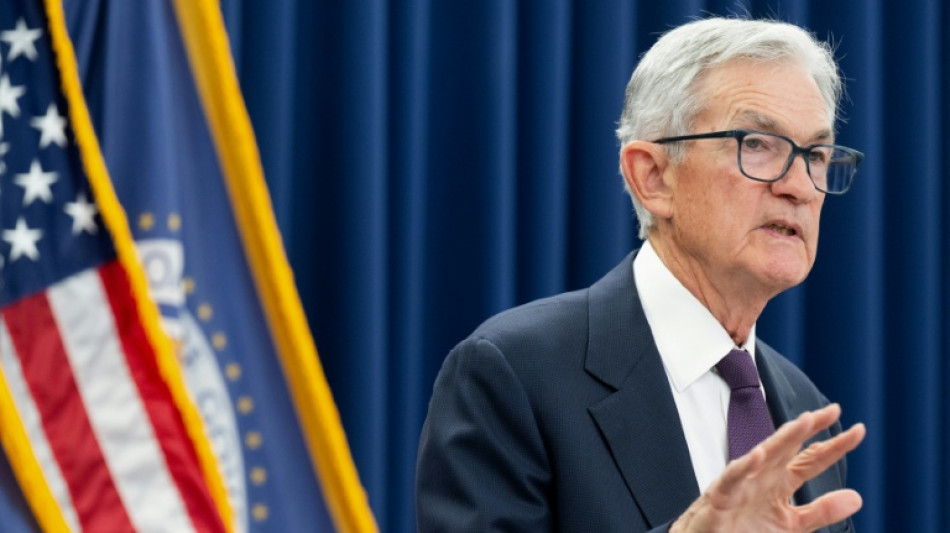
The US Federal Reserve opened its two-day meeting on Tuesday with policymakers expected to keep interest rates unchanged as they digest weak economic data and gauge the economic effects of the Iran war.
The central bank's rate-setting Federal Open Market Committee (FOMC) began its gathering at 10:30 am Eastern time (14:30 GMT), a central bank spokesperson said.
The meeting comes as the Fed battles stubbornly high inflation and weak demand in the US labor market, with its dual mandates potentially at odds with one another.
The US-Israel war on Iran, launched on February 28, is also expected to have major economic implications, with oil prices surging and supply chains disrupted.
Rising oil prices are expected to have knock-on global inflationary effects, including in the United States, where price increases have remained above the Fed's long-term two-percent target for years.
US average gasoline prices have increased around 27 percent since the start of the war, according to the AAA motor club's gauge.
Analysts have also warned of the conflict causing supply chain disruptions and oil shortages that will drag down economic growth.
Central banks tend to ignore the inflation effects of short-term price shocks, but it is unclear how long the war in Iran will drag on.
US households have been battered by years of higher-than-expected inflation after the Covid pandemic.
In January, the Fed's preferred inflation gauge came in at 2.8 percent, with core inflation rising by 3.1 percent, its highest level since March 2024.
The US labor market has also shown weakness in recent months, with unemployment ticking up in February due to weak labor demand.
Last week, there was more bad news, with new data showing the US economy grew at a significantly slower pace than initially estimated for the final months of 2025.
The new data and outlook for effects of the Iran war have seen traders change their expectations of the Fed.
Before the war, a rate-cut was expected as soon as the summer, with another possible later in the year.
On Tuesday, CME's FedWatch tool showed expectations of just one rate cut by the end of the year, likely coming after September.
The Fed cut rates at three consecutive meetings late last year, but they remain above levels that US President Donald Trump has demanded.
Trump has repeatedly insulted and criticized Fed Chair Jerome Powell, and attempted to unseat another Fed Governor.
Last week, a Department of Justice investigation into Powell over cost overruns related to Fed building renovations ran into an obstacle when a federal judge quashed subpoenas in the case.
Powell's term as Fed chair ends in May, making this his penultimate meeting.
Trump has nominated Kevin Warsh to replace him, but he has yet to be confirmed by the Senate.
P.Sanabria--HdM