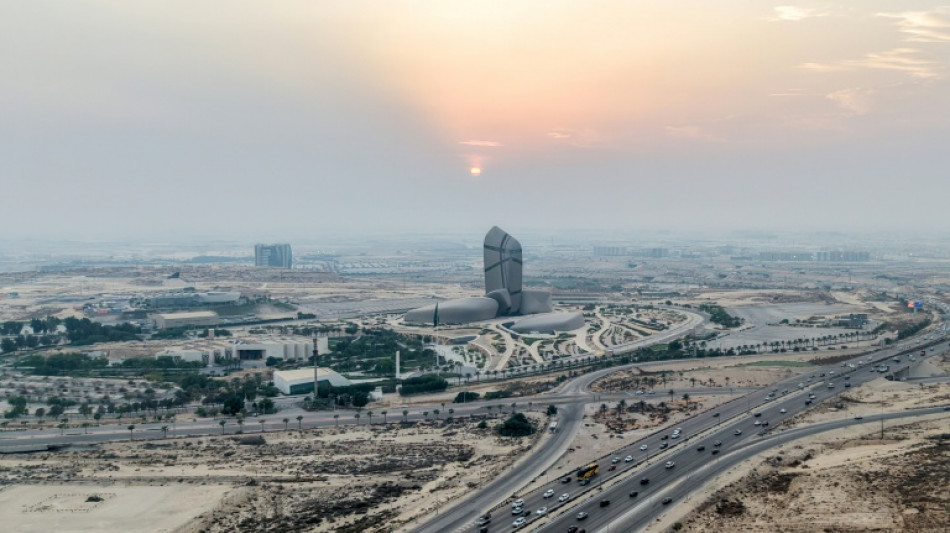
Houthis launch deadly attack on presidential palace in Yemen's Aden / Photo: - - AFP

 London
 18 °C
18 °C

 Manchester
13 °C
Manchester
13 °C
 Glasgow
13 °C
Glasgow
13 °C
 Dublin
11 °C
Dublin
11 °C
 Belfast
 10 °C
10 °C
 Washington
19 °C
Washington
19 °C
 Denver
 12 °C
12 °C
 Atlanta
 30 °C
30 °C
 Dallas
31 °C
Dallas
31 °C
 Houston Texas
32 °C
Houston Texas
32 °C
 New Orleans
 30 °C
30 °C
 El Paso
23 °C
El Paso
23 °C
 Phoenix
28 °C
Phoenix
28 °C
 Los Angeles
30 °C
San Diego
30 °C
San Francisco
24 °C
Chicago
17 °C
Minneapolis
Los Angeles
30 °C
San Diego
30 °C
San Francisco
24 °C
Chicago
17 °C
Minneapolis
 9 °C
Seattle
16 °C
Portland
23 °C
Salt Lake City
15 °C
Las Vegas
24 °C
Miami
32 °C
Jacksonville
30 °C
San Antonio
31 °C
Bermuda
27 °C
Nassau
18 °C
Iqaluit
-1 °C
Yellowknife
7 °C
Anchorage
5 °C
Fairbanks
3 °C
Barrow
-11 °C
Calgary
10 °C
Edmonton
30 °C
Winnipeg
8 °C
Goose Bay
11 °C
Halifax
16 °C
Boston
17 °C
Ottawa
13 °C
Toronto
10 °C
Detroit
15 °C
Cleveland
21 °C
New York
18 °C
Baltimore
18 °C
Philadelphia
20 °C
Nuuk (Godthåb)
1 °C
Hong Kong
9 °C
Seattle
16 °C
Portland
23 °C
Salt Lake City
15 °C
Las Vegas
24 °C
Miami
32 °C
Jacksonville
30 °C
San Antonio
31 °C
Bermuda
27 °C
Nassau
18 °C
Iqaluit
-1 °C
Yellowknife
7 °C
Anchorage
5 °C
Fairbanks
3 °C
Barrow
-11 °C
Calgary
10 °C
Edmonton
30 °C
Winnipeg
8 °C
Goose Bay
11 °C
Halifax
16 °C
Boston
17 °C
Ottawa
13 °C
Toronto
10 °C
Detroit
15 °C
Cleveland
21 °C
New York
18 °C
Baltimore
18 °C
Philadelphia
20 °C
Nuuk (Godthåb)
1 °C
Hong Kong
 26 °C
Singapore
27 °C
Melbourne
30 °C
Canberra
8 °C
Adelaide
16 °C
Darwin
27 °C
Perth
13 °C
Fort Worth
30 °C
Honolulu
27 °C
Sydney
13 °C
Johannesburg
22 °C
Dubai
33 °C
Mumbai
33 °C
Zürich
14 °C
Tokyo
18 °C
Seoul
26 °C
Singapore
27 °C
Melbourne
30 °C
Canberra
8 °C
Adelaide
16 °C
Darwin
27 °C
Perth
13 °C
Fort Worth
30 °C
Honolulu
27 °C
Sydney
13 °C
Johannesburg
22 °C
Dubai
33 °C
Mumbai
33 °C
Zürich
14 °C
Tokyo
18 °C
Seoul
 14 °C
Delhi
21 °C
Beijing
9 °C
Riyadh
31 °C
Prague
12 °C
Pennsylvania
19 °C
Valletta
21 °C
Manama
32 °C
Warsaw
10 °C
Stockholm
11 °C
14 °C
Delhi
21 °C
Beijing
9 °C
Riyadh
31 °C
Prague
12 °C
Pennsylvania
19 °C
Valletta
21 °C
Manama
32 °C
Warsaw
10 °C
Stockholm
11 °C
The Houthis launched a deadly missile attack Thursday on the presidential palace in the Yemeni government's interim capital of Aden, as Saudi Arabia blamed Iran for the recent dramatic escalation in the long-running war.
Saudi Arabia and the internationally recognised government it backs in Yemen have come under sustained Houthi attack of late, shifting the focus of the wider Middle East war that erupted with US-Israeli strikes on Iran in February.
The Iran-backed Houthis have seized swathes of territory along Yemen's Red Sea coastline in recent weeks, and a government counteroffensive with Saudi air support has so far failed to reverse the gains.
Government military sources in Yemen said at least four people were killed and 10 wounded in Thursday's strikes on Aden's Al-Maashiq palace, which also serves as the government's headquarters in the divided country's south.
An AFP journalist saw smoke rising and residents of the southern city reported hearing explosions during the attack, the first on the complex since Yemen's civil war flared back to life in July.
Yemeni information minister Moammar al-Eryani said the prime minister and cabinet ministers were safe, adding the attack had been carried out with five missiles.
A government minister said on condition of anonymity that Prime Minister Shaya al-Zindani had been present at the time, but "was not harmed in any way".
Media affiliated with the Houthis said they had targeted "the headquarters of military operations, led by Saudi officers, at the Al-Maashiq Palace in Aden, as well as weapons depots belonging to them".
Yemen's civil war -- in which Saudi Arabia has led a military coalition supporting the government since 2015 -- reignited after the collapse of a years-long truce, with the Houthis going on to launch their lightning offensive in September.
Riyadh on Thursday accused Iran of encouraging the escalation, saying it continued to arm and train the group.
Saudi Arabia's deputy minister for public diplomacy at the foreign ministry said Riyadh was still in touch with Iran, but that Tehran did not appear ready to make concessions.
"We think that the escalation by the Houthis at this latest stage of the conflict is encouraged by Iran," said Dr. Rayed Krimly.
The Saudi-led coalition said drones fired by the Houthis at the kingdom's southern region and the city of Khamis Mushait were intercepted.
Yemeni government forces said the Houthis had also fired "several ballistic missiles" at the central city of Marib, which sits in a strategic oil-rich region.
- Oman meeting refused -
In 2023, regional rivals Iran and Saudi Arabia reached a deal mediated by China to thaw a longstanding freeze in ties, but the latest violence might threaten to upend the entente.
The Saudi ministry official went on to accuse the Houthis of refusing to meet as fighting ramped up between the two sides.
"At the beginning of this escalation, we asked them to meet in Muscat, Oman and they refused," he added.
The ministry later said that the exchange took place in July.
Saudi Arabia suffered its deadliest attack in more than a decade on Saturday when a strike on Riyadh's international airport killed 13 people and wounded around 300 others.
The Saudi-led coalition fighting the Houthis said the group had attacked Riyadh's airport 20 times this month.
Coalition spokesman Turki Al-Malki said "the Houthis must immediately cease all terrorist operations targeting civilians and civilian facilities, including airports, ports, oil facilities, and infrastructure".
He added the group had "worked to obtain advanced technologies with the help of regional actors", saying they now had "ballistic missiles, attack and suicide drones, and fast explosive-laden boats".
The attacks on Saudi Arabia have tested the country's infrastructure and resilience, the energy minister acknowledged earlier this week.
Riyadh usually hosts a packed calendar of events this time of year, including its flagship investment conference drawing foreign leaders and business titans.
In Yemen, the conflict has caused what the United Nations calls one of the world's worst humanitarian crises, leaving most of the nation's population dependent on aid.
E.Pineda--HdM