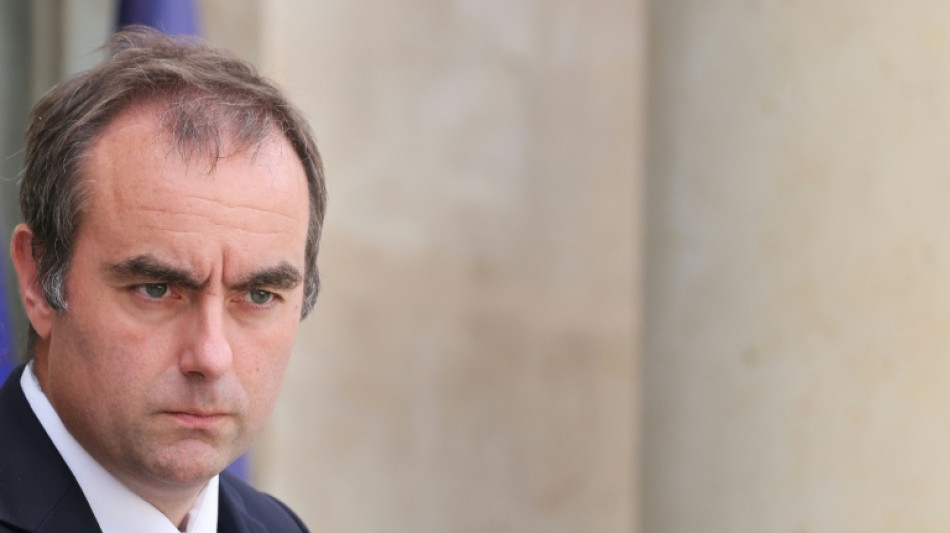
France's debt climbs to highest since 1978: ministry / Photo: Ludovic MARIN - AFP

 London
 19 °C
19 °C

 Manchester
 16 °C
16 °C
 Glasgow
17 °C
Glasgow
17 °C
 Dublin
 14 °C
14 °C
 Belfast
14 °C
Belfast
14 °C
 Washington
26 °C
Washington
26 °C
 Denver
 25 °C
25 °C
 Atlanta
 34 °C
34 °C
 Dallas
 36 °C
36 °C
 Houston Texas
34 °C
Houston Texas
34 °C
 New Orleans
 33 °C
33 °C
 El Paso
31 °C
El Paso
31 °C
 Phoenix
38 °C
Phoenix
38 °C
 Los Angeles
26 °C
San Diego
26 °C
San Francisco
18 °C
Chicago
22 °C
Minneapolis
16 °C
Seattle
15 °C
Portland
19 °C
Salt Lake City
20 °C
Las Vegas
33 °C
Miami
30 °C
Jacksonville
31 °C
San Antonio
32 °C
Bermuda
30 °C
Nassau
20 °C
Iqaluit
5 °C
Yellowknife
16 °C
Anchorage
9 °C
Fairbanks
9 °C
Barrow
-1 °C
Calgary
22 °C
Edmonton
38 °C
Winnipeg
20 °C
Goose Bay
17 °C
Halifax
17 °C
Boston
17 °C
Ottawa
17 °C
Toronto
16 °C
Detroit
18 °C
Cleveland
21 °C
New York
21 °C
Baltimore
26 °C
Philadelphia
22 °C
Nuuk (Godthåb)
5 °C
Hong Kong
27 °C
Singapore
29 °C
Melbourne
29 °C
Canberra
6 °C
Adelaide
Los Angeles
26 °C
San Diego
26 °C
San Francisco
18 °C
Chicago
22 °C
Minneapolis
16 °C
Seattle
15 °C
Portland
19 °C
Salt Lake City
20 °C
Las Vegas
33 °C
Miami
30 °C
Jacksonville
31 °C
San Antonio
32 °C
Bermuda
30 °C
Nassau
20 °C
Iqaluit
5 °C
Yellowknife
16 °C
Anchorage
9 °C
Fairbanks
9 °C
Barrow
-1 °C
Calgary
22 °C
Edmonton
38 °C
Winnipeg
20 °C
Goose Bay
17 °C
Halifax
17 °C
Boston
17 °C
Ottawa
17 °C
Toronto
16 °C
Detroit
18 °C
Cleveland
21 °C
New York
21 °C
Baltimore
26 °C
Philadelphia
22 °C
Nuuk (Godthåb)
5 °C
Hong Kong
27 °C
Singapore
29 °C
Melbourne
29 °C
Canberra
6 °C
Adelaide
 21 °C
Darwin
24 °C
Perth
15 °C
Fort Worth
36 °C
Honolulu
29 °C
Sydney
14 °C
Johannesburg
14 °C
Dubai
33 °C
Mumbai
28 °C
Zürich
15 °C
Tokyo
22 °C
Seoul
17 °C
Delhi
28 °C
Beijing
20 °C
Riyadh
35 °C
Prague
16 °C
Pennsylvania
23 °C
Valletta
23 °C
Manama
33 °C
Warsaw
21 °C
Darwin
24 °C
Perth
15 °C
Fort Worth
36 °C
Honolulu
29 °C
Sydney
14 °C
Johannesburg
14 °C
Dubai
33 °C
Mumbai
28 °C
Zürich
15 °C
Tokyo
22 °C
Seoul
17 °C
Delhi
28 °C
Beijing
20 °C
Riyadh
35 °C
Prague
16 °C
Pennsylvania
23 °C
Valletta
23 °C
Manama
33 °C
Warsaw
 16 °C
Stockholm
15 °C
16 °C
Stockholm
15 °C
France's debt mountain is growing and will this year be at its highest level since 1978 because of a soaring deficit, the country's finance ministry said Saturday.
A ministry source told reporters the public debt would reach 119.3 percent of GDP in 2026 and 121.7 percent in 2027 -- more than double the 60-percent-of-GDP reference limit EU member countries are required to aim for.
Those figures are unprecedented since 1978, according to France's statistics institute Insee.
The source said the rise in France's debt was "automatic" as "a consequence of a deficit that remains high".
France is the third most indebted country in the eurozone, behind only Greece and Italy. In Spain, debt passed below 100 percent of GDP in July, and Portugal got its debt to below 90 percent of GDP in 2025.
Under EU rules, the public deficit -- the annual shortfall of revenue to spending -- is meant to be no more than three percent of GDP.
But last year, it came in at 5.1 percent of GDP, and the government forecasts it will hit 5.4 percent this year.
France, which has been under special EU monitoring for the past two years because of those high figures, expects its deficit to drop to five percent next year -- when it holds elections to choose its next president and government.
The government has submitted its draft 2027 budget measures to an independent fiscal watchdog, the High Council of Public Finances (HCFP), to evaluate their viability in macroeconomic terms.
- Massive cuts in 2027 -
Prime Minister Sebastian Lecornu, as he outlined the draft budget Thursday, said the government planned to make adjustments and cuts worth 54 billion euros ($62 billion) in the 2027 budget.
But with elections on the horizon, he left it to parliament to decide some of the more sensitive measures, such as a government proposal to reduce tax breaks for pensioners.
The head of the parliament's finance committee, Eric Coquerel of the hard-left France Unbowed (LFI) party, has already objected that budget cuts will hit all parts of the population indiscriminately -- and thus hit the poorest hardest.
But in an interview with the daily Le Parisien, the head of the HCFP said there was still time to correct course.
"The crisis is neither certain nor guaranteed -- nor is it the only outcome," said Amelie de Montchalin.
"France is not doomed, provided the choices made are swift and responsible," she argued.
The growth forecast for 2026 has recently been revised down, with the French economy hit by weak consumer spending and, more recently, the surge in energy prices from the US-Israeli war against Iran.
P.Sanabria--HdM