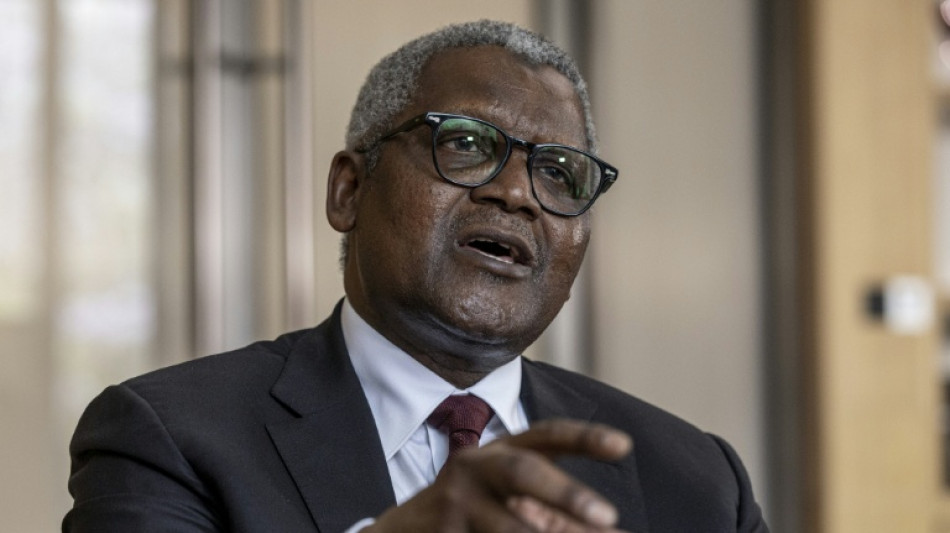
Dangote to launch $16bn refinery in Kenya / Photo: SIMON MAINA - AFP

 London
 21 °C
21 °C
 Manchester
 19 °C
19 °C
 Glasgow
 14 °C
14 °C
 Dublin
14 °C
Dublin
14 °C
 Belfast
14 °C
Belfast
14 °C
 Washington
 17 °C
17 °C
 Denver
15 °C
Denver
15 °C
 Atlanta
18 °C
Atlanta
18 °C
 Dallas
28 °C
Dallas
28 °C
 Houston Texas
27 °C
Houston Texas
27 °C
 New Orleans
25 °C
New Orleans
25 °C
 El Paso
19 °C
El Paso
19 °C
 Phoenix
 23 °C
23 °C
 Los Angeles
21 °C
San Diego
21 °C
San Francisco
16 °C
Chicago
21 °C
Minneapolis
18 °C
Seattle
12 °C
Portland
17 °C
Salt Lake City
15 °C
Las Vegas
24 °C
Miami
Los Angeles
21 °C
San Diego
21 °C
San Francisco
16 °C
Chicago
21 °C
Minneapolis
18 °C
Seattle
12 °C
Portland
17 °C
Salt Lake City
15 °C
Las Vegas
24 °C
Miami
 25 °C
Jacksonville
23 °C
San Antonio
28 °C
Bermuda
26 °C
Nassau
17 °C
Iqaluit
3 °C
Yellowknife
3 °C
Anchorage
7 °C
Fairbanks
1 °C
Barrow
-1 °C
Calgary
9 °C
Edmonton
14 °C
Winnipeg
13 °C
Goose Bay
11 °C
Halifax
16 °C
Boston
16 °C
Ottawa
10 °C
Toronto
15 °C
Detroit
16 °C
Cleveland
16 °C
New York
18 °C
Baltimore
17 °C
Philadelphia
18 °C
Nuuk (Godthåb)
1 °C
Hong Kong
25 °C
Jacksonville
23 °C
San Antonio
28 °C
Bermuda
26 °C
Nassau
17 °C
Iqaluit
3 °C
Yellowknife
3 °C
Anchorage
7 °C
Fairbanks
1 °C
Barrow
-1 °C
Calgary
9 °C
Edmonton
14 °C
Winnipeg
13 °C
Goose Bay
11 °C
Halifax
16 °C
Boston
16 °C
Ottawa
10 °C
Toronto
15 °C
Detroit
16 °C
Cleveland
16 °C
New York
18 °C
Baltimore
17 °C
Philadelphia
18 °C
Nuuk (Godthåb)
1 °C
Hong Kong
 33 °C
Singapore
31 °C
Melbourne
33 °C
Singapore
31 °C
Melbourne
 24 °C
Canberra
24 °C
Canberra
 22 °C
Adelaide
24 °C
Darwin
31 °C
Perth
18 °C
Fort Worth
28 °C
Honolulu
27 °C
Sydney
23 °C
Johannesburg
8 °C
Dubai
37 °C
Mumbai
31 °C
Zürich
16 °C
Tokyo
21 °C
Seoul
27 °C
Delhi
32 °C
Beijing
20 °C
Riyadh
36 °C
Prague
12 °C
Pennsylvania
18 °C
Valletta
22 °C
Manama
37 °C
Warsaw
13 °C
Stockholm
11 °C
22 °C
Adelaide
24 °C
Darwin
31 °C
Perth
18 °C
Fort Worth
28 °C
Honolulu
27 °C
Sydney
23 °C
Johannesburg
8 °C
Dubai
37 °C
Mumbai
31 °C
Zürich
16 °C
Tokyo
21 °C
Seoul
27 °C
Delhi
32 °C
Beijing
20 °C
Riyadh
36 °C
Prague
12 °C
Pennsylvania
18 °C
Valletta
22 °C
Manama
37 °C
Warsaw
13 °C
Stockholm
11 °C
Africa's richest man was set to break ground on a new $16 billion mega-refinery in Kenya on Wednesday that he says will mark a vital step towards the continent's self-sufficiency in fuel.
Aliko Dangote created Africa's biggest oil refinery in his native Nigeria, and says the east African version will have a capacity of 700,000 barrels per day -- larger than any in Europe.
It is being built on the Indian Ocean coast at Lamu, where Kenya is also developing a major port.
The project has already faced a lawsuit from a local community over land rights. A court ruling published Monday said the ground-breaking could go ahead, but the case will continue.
Greenpeace and other environmentalists have also raised objections over its impact.
Dangote dismissed the challenges on Tuesday, telling reporters: "There's actually no problem with these sort of cases... There are people who don't want the development of Africa."
Tanzania and the Kenyan port city of Mombasa had been mooted as possible locations for the refinery, but Dangote said Lamu was "much better", with "better, cleaner water", "solid land", and a "deep sea area".
He said the refinery would also include a 1,000-megawatt power facility, with half the production going back into the Kenyan grid.
Dangote framed the refinery as a vital step towards Africa reducing its reliance on fuel imports and foreign expertise.
"By 2030, the majority of African countries will be self-sufficient (in fuel). It does not matter where it is refined, but it should be in the African continent, on the soil of Africa," he said.
"If anybody is doing a big project going forward, you don't have to go and bring Chinese or Indians and build it for you," he added.
- 'A start-up' -
There have been questions about where the new refinery will source the crude oil to refine, given that east African countries are only just starting to find and exploit significant reserves.
Dangote said it would source crude from multiple places, including the Middle East, the United States, and others -- and would be ready as countries like Kenya, Tanzania and Mozambique start producing more.
"Are we going to wait until (Africa has) one quarter of the world's population before we start thinking of what to do? We have to start addressing that issue today," he said, highlighting US President Donald Trump's threats to stop exporting diesel.
He insisted the Kenyan refinery would be just a small part of meeting the demand that Africa will create as its economy grows.
"When you talk about 700,000 barrels per day, it's actually small. For the region, it's a big refinery, it's a big investment, but it is a start-up," he said.
Q.Escribano--HdM